
Key Points
- According to parliamentary reports, a broad majority in the Dutch parliament (Tweede Kamer) has formally called for the installation of electronic gates at the Eurostar terminal in Amsterdam Centraal to expedite mandatory border checks.
- Lawmakers introduced the motion during debates on the Infrastructure and Water Management budget, securing support from political parties including ChristenUnie, VVD, D66, CDA, JA21, and Pro.
- Passenger advocacy group Rover reported that current manual border processing systems have resulted in two out of three Eurostar trains departing Amsterdam behind schedule, while limited processing capacity has forced the operator to leave available seats unsold.
- Rover director Daan Zieren welcomed the parliamentary decision, stating that government action is urgently required to prevent passengers from enduring months of lengthy queues.
- Questions regarding the funding of border security remain unresolved; passenger group Rover points out that while the Dutch state covers Royal Netherlands Marechaussee expenses at airports for airlines such as KLM and EasyJet, Eurostar is billed six million euros annually, a cost passed directly to rail travellers.
- Rover maintains that achieving a level playing field between aviation and rail transport is essential for supporting sustainable international travel.
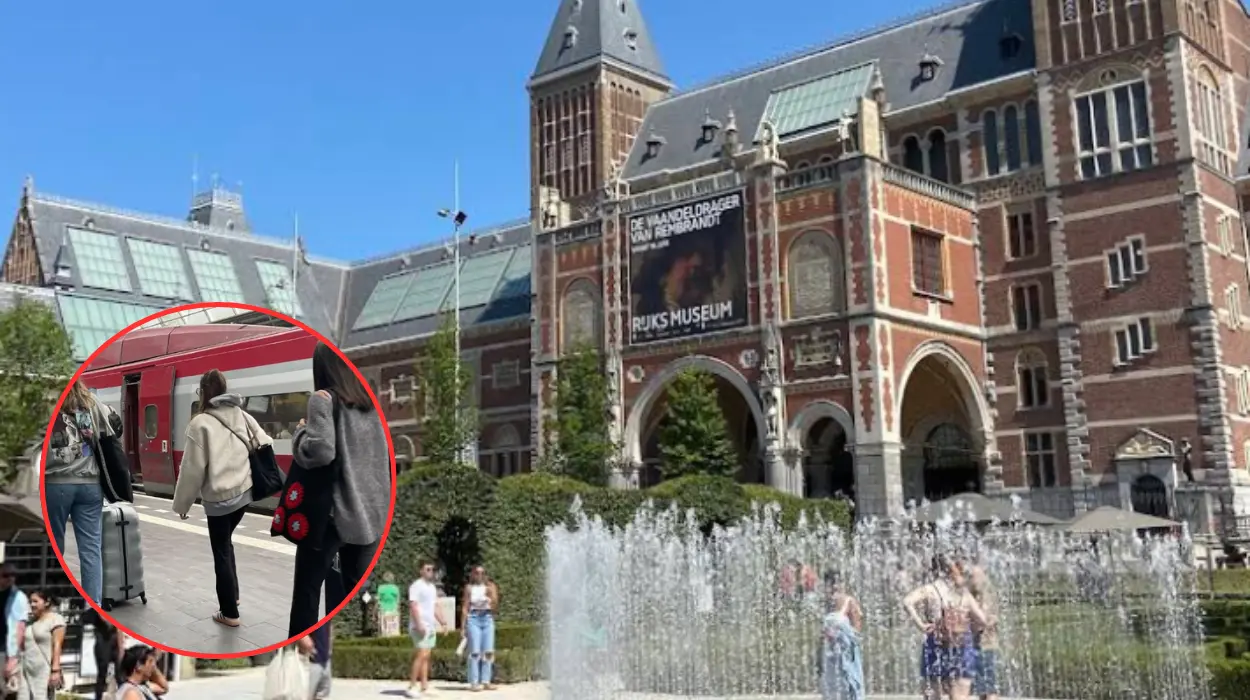
Netherlands (Amsterdam Times News) November 12, 2026 — A significant political and infrastructural push is underway in the Netherlands to resolve chronic passenger congestion and train delays affecting high-speed rail links to the United Kingdom. According to parliamentary and transport reports, a decisive majority in the Tweede Kamer has urged the Dutch government to install electronic gates at the Eurostar terminal located within Amsterdam Centraal. The proposed digital checkpoint system aims to eliminate severe boarding bottlenecks and punctuality issues that have plagued London-bound services since biometric border controls were instituted.
Why Are Lawmakers Demanding E-Gates at Amsterdam Centraal?
The parliamentary intervention stems from ongoing operational disruptions that have severely impacted cross-border rail travel between the Netherlands and the UK. As reported by transport correspondents covering the Tweede Kamer, the motion was officially introduced by the ChristenUnie during budgetary debates concerning Infrastructure and Water Management. The proposal gained swift backing from a broad coalition of political parties, including the VVD, D66, CDA, JA21, and Pro.
According to data cited by passenger advocacy group Rover—which has campaigned for terminal upgrades for months—manual border processing procedures have proven inadequate for passenger volume. Under the existing framework, station staff frequently find themselves unable to process all travellers before scheduled departure times. Consequently, statistical evaluations indicate that two out of three Eurostar services departing from Amsterdam currently leave the station behind schedule. Furthermore, restricted processing throughput has compelled Eurostar to artificially cap passenger numbers, leaving seats unsold on high-demand journeys.
What Did Passenger Group Rover Say About the Parliamentary Vote?
Advocacy groups representing rail commuters have expressed strong approval for the parliamentary decision while emphasising the need for swift implementation. As reported in transport briefings, Rover director Daan Zieren welcomed the political consensus, stating that “This is good news for everyone who wants to take the train to London.”
Highlighting the gravity of the ongoing congestion, Daan Zieren stated as reported by Rover: “In recent months we repeatedly highlighted the unsustainable situation at border control. That a clear majority in the Tweede Kamer has now chosen e-gates is an important step forward. The government must act quickly so passengers do not have to stand in line for months more.”
How Does the Cost Dispute Over Border Checks Affect Rail Passengers?
While the endorsement of electronic gates represents a major milestone for terminal efficiency, broader financial disputes regarding border security expenses remain unresolved. As highlighted in analyses by passenger group Rover, the question of who shoulders the financial burden of border police operations creates an unlevel playing field between rail and air travel.
The Dutch state currently covers the operational expenses of the Royal Netherlands Marechaussee at Schiphol Airport for major aviation carriers such as KLM and EasyJet. By contrast, Eurostar is billed approximately six million euros annually for border control services at Amsterdam Centraal—a substantial financial charge that operators ultimately pass directly onto individual rail passengers through ticket pricing. Addressing this disparity, Daan Zieren noted as reported by Rover: “With these e-gates we clear the first major hurdle, but the fight for a level playing field is not over. If the government is serious about sustainable travel, it must treat trains and planes equally.”
Background of the Particular Development
The direct rail link connecting Amsterdam Centraal to London St Pancras has experienced significant structural hurdles since its inception, exacerbated by post-Brexit border enforcement requirements. When biometric exit and entry controls were introduced at Amsterdam and Rotterdam terminals in the spring, passengers were subjected to mandatory passport checks conducted by Dutch and British border authorities before boarding. Because the physical footprint of Amsterdam Centraal is constrained by historic architecture and limited platform space, the installation of traditional manual check-in booths created severe queueing bottlenecks. These structural limitations restricted hourly passenger throughput, resulting in chronic train delays, missed connections, and reduced seating capacity utilisation—diametrically opposing European Union and Dutch national goals to promote cross-border rail travel as a low-carbon alternative to aviation.
Prediction and Impact on the Particular Audience
For international business travellers, tourists, and daily cross-border commuters travelling between the Netherlands and the United Kingdom, the parliamentary push for e-gates at Amsterdam Centraal signals a promising move toward restored punctuality and increased seat availability. In the short term, if the Dutch government acts swiftly to fund and install electronic border gates, passenger processing times are expected to decrease significantly, mitigating the risk of missed departures. However, for Eurostar and rail advocates, the ongoing battle over the six-million-euro annual border security fee means that structural cost disparities with the aviation sector will remain a central policy debate, directly influencing ticket pricing and the long-term economic viability of direct continental rail services