Key Points
- Amsterdam’s local government proposes hiking the tourist tax from the current rate to 16% next year, followed by annual 1% increments until it reaches 20% by 2030.
- The coalition agreement outlines plans to close the city centre’s cruise port terminal to end sea cruise arrivals directly into the city.
- Local authorities plan to systematically buy up central real estate and buy out inner-city businesses to transform the historic district.
- Plans for a dedicated “Erotic Centre” in the Zuid district aimed at replacing Red Light District workplaces have been officially abandoned.
- Funding for city promotion and the marketing organisation Amsterdam&Partners will be reduced or discontinued.
- The agreement contains no proposals to ban international tourists from purchasing cannabis at local coffeeshops.
Amsterdam (Amsterdam Times News) october 22, 2026 – Executive Summary: Amsterdam’s newly formed local coalition government has unveiled sweeping policy proposals aimed at fundamentally restructuring the Dutch capital’s visitor economy. The measures include raising the municipal tourist tax in phases to a peak of 20%, shutting down the central cruise ship terminal, and executing commercial buyouts in the historic core. Concurrently, previous council plans for a centralised Erotic Centre have been scrapped in favour of localized management. The comprehensive package faces formal debate by the city council on June 10.
- Key Points
- What Are the Key Tax Adjustments Proposed for Visitors?
- How Will the Closure of the Cruise Terminal Impact Maritime Tourism?
- What Strategy Is Amsterdam Adopting for Inner-City Real Estate?
- Why Has the Proposed Erotic Centre Project Been Abandoned?
- What Changes Are Planned for City Marketing and Cannabis Regulation?
- Background of the Development
- Prediction: How This Development Can Affect Stakeholders
What Are the Key Tax Adjustments Proposed for Visitors?
As reported by Amelia Neath of The Independent, the local government’s coalition agreement details a multi-year strategy to raise municipal levies on overnight visitors. Amsterdam currently enforces one of the highest tourist tax rates across European destinations, charging overnight guests a 12% fee on accommodation costs alongside a flat €15 (£13) entry fee for day visitors.
Under the terms published in the coalition agreement document, the governing parties intend to implement a 16% rate next year. Subsequently, the tax will increase by 1 percentage point annually until reaching 20% by 2030.
Addressing the rationale for the revenue adjustments, the official coalition document noted: “Amsterdam remains an attractive destination for visitors from all over the world. Tourism contributes to the city’s economy, but at the same time places significant pressure on public spaces, quality of life and municipal facilities.”
The translated policy document further stated: “The coalition has therefore decided to increase the tourist tax, so that visitors make a fairer contribution to the costs the city incurs for management, maintenance, enforcement and investments in the quality of the living environment.”
The executive administration confirmed that proceeds generated from the higher tax structure will be channelled into municipal services designed to improve cleanliness, safety, and general liveability for local residents and tourists. Furthermore, as documented by Amelia Neath of The Independent, local authorities are reviewing an increase to the city’s entertainment levy. This charge applies to canal boat tours, vessel hires, and canoes, with the goal of securing higher financial contributions from day visitors.
How Will the Closure of the Cruise Terminal Impact Maritime Tourism?
As reported by Amelia Neath of The Independent, the coalition’s proposals outline a structural departure from maritime tourism. The policy document explicitly proposes shutting the city’s central port terminal to “end the option to reach Amsterdam by sea cruise”.
To mitigate logistical disruptions, municipal officials stated in the document that they intend to enter consultations with both the Dutch national government and regional authority boards to identify alternative maritime infrastructure solutions outside the city centre.
What Strategy Is Amsterdam Adopting for Inner-City Real Estate?
In addition to taxation and maritime limits, as reported by Amelia Neath of The Independent, the local government proposes direct intervention in the city core’s real estate market. The coalition agreement outlines a strategy to systematically purchase central buildings and buy out commercial operations operating inside them.
The stated objective of these buyouts is to “transform” the municipal center, shifting the concentration of tourist-oriented retail and commercial services toward uses that better serve the residential population.
Why Has the Proposed Erotic Centre Project Been Abandoned?
As reported by Amelia Neath of The Independent, the coalition agreement officially halts a flagship policy introduced by the former local administration regarding adult entertainment management. The previous council had initiated plans to construct an “Erotic Centre” in the southern Zuid district. That project was intended to establish a controlled workplace for sex workers, lessen the impact of organized crime on prostitution, and alleviate physical overcrowding within the historic Red Light District.
The newly published agreement confirms that the Erotic Centre project will not proceed. Instead, local government authorities stated they will prioritize “small-scale initiatives” intended to relieve urban strain in the city center, though specific details regarding these alternative measures were omitted from the text.
What Changes Are Planned for City Marketing and Cannabis Regulation?
As reported by Amelia Neath of The Independent, the coalition plans to withdraw active municipal promotion targeted at external leisure travelers. This includes reducing financial contributions to Amsterdam&Partners, the primary city marketing organization responsible for operating the global “I amsterdam” brand.
The coalition document emphasized a desire to establish a “more balanced new visitor economy” driven by closer collaboration among local commercial enterprises, municipal residents, and academic knowledge institutions.
Notably, as observed by Amelia Neath of The Independent, the coalition agreement omitted any reference to restricting foreign tourists from buying cannabis at local coffeeshops—a proposal previously advanced by several local political factions.
The entire coalition package is scheduled for formal review and debate on June 10. Following these discussions, the executive local government will submit its finalized policy recommendations to the City Council of Amsterdam for legislative approval.
Background of the Development
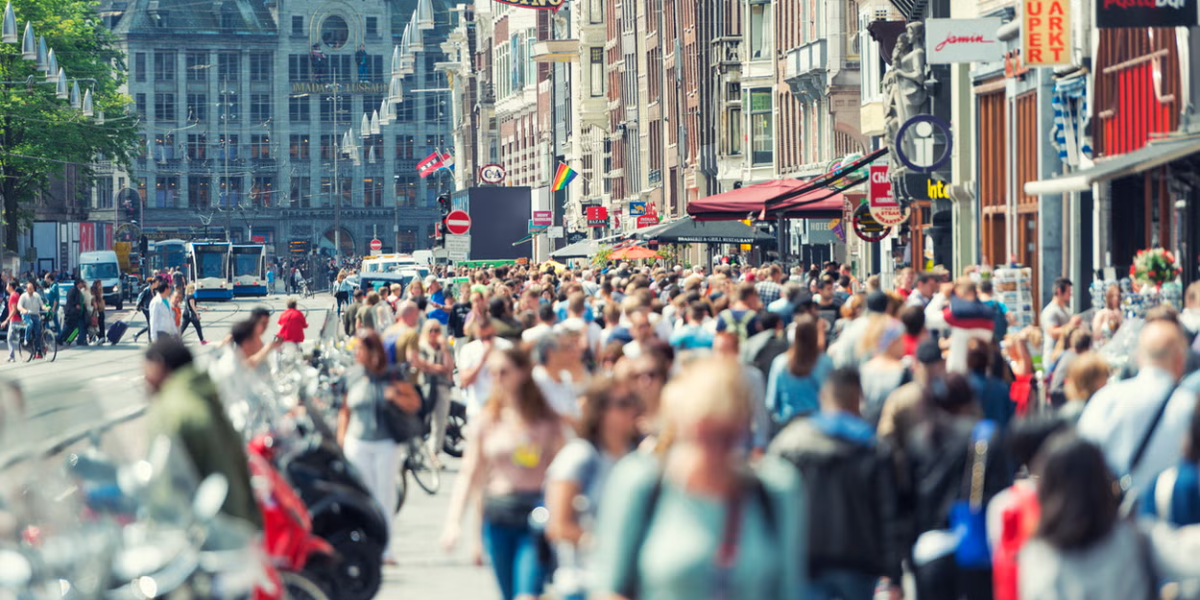
Amsterdam’s policy shift represents the latest phase in a multi-year effort by local authorities to manage urban overcrowding and preserve residential liveability. Over the past decade, the rapid expansion of budget aviation, short-term holiday rentals, and day-visitor tours led to concentrated pedestrian traffic in the historic canal district and the Wallen (Red Light District).
Previous administrations introduced several incremental controls, including bans on new souvenir shops, limits on vacation rentals, restrictions on public cannabis consumption in central streets, and the relocation of tour buses outside the primary ring. Despite these measures, visitor numbers continued to strain municipal infrastructure, prompting the municipal executive to move from passive management to direct fiscal and structural interventions.
Prediction: How This Development Can Affect Stakeholders
- For Travelers and Tourists: Holidaymakers will face higher overall trip costs due to the incremental tax hikes. Cruise passengers will no longer be able to disembark directly in the historic core, requiring transferred land transport from regional ports.
- For Hospitality and Local Businesses: Hoteliers and tour operators may experience reduced profit margins or pushback from price-sensitive consumers. Inner-city commercial tenants in targeted zones may face municipal buyout negotiations as the city repurposes retail space.
- For Local Residents: Amsterdam residents are expected to benefit from increased municipal investment in public space maintenance, enhanced city safety measures, and reduced congestion in central residential districts.