Key Points
- Fresh Disturbances in Floradorp: Local residents in the Floradorp neighborhood of Amsterdam launched fireworks, set small street fires, and ignited trash in underground containers as tensions flared once again.
- Riot Police Intervention: Law enforcement deployed riot police after the atmosphere escalated on Sneeuwbalstraat, with crowds throwing glass bottles and stones at officers.
- Two New Arrests Made: Officers detained a 39-year-old man for launching fireworks at police and a 14-year-old boy on suspicion of public violence.
- Municipal Refusal Trigger: Disturbances follow a formal decision by Mayor Femke Halsema rejecting a compromised proposal for an open-container bonfire, citing fire department safety warnings.
- Legal and Judicial Actions: Previous incidents over the past week led to several arrests, including a 22-year-old sentenced to 40 hours of community service and two youths referred to the Halt intervention program.
Amsterdam Times News (ATN) October 20, 2026 – Fresh civil unrest has erupted in the northern Amsterdam neighborhood of Floradorp after municipal authorities rejected a compromise proposal for an annual New Year bonfire, prompting riot police to intervene and make two arrests on Monday following violent confrontations with local residents.
- Key Points
- What Happened During the Latest Unrest in Floradorp?
- Why Are Local Residents Protesting Against Mayor Femke Halsema?
- How Have Authorities and Dutch Courts Responded to Recent Incidents?
- Background of the Particular Development
- Prediction: How Will This Development Affect the Local Residents and Municipal Authorities?
What Happened During the Latest Unrest in Floradorp?
As reported by law enforcement authorities and confirmed by local news outlets, the neighborhood of Floradorp in Amsterdam-North experienced renewed volatility on Monday evening as residents gathered to protest municipal fire regulations. Local inhabitants lit small fires along public streets and inside underground waste containers while routinely setting off fireworks.
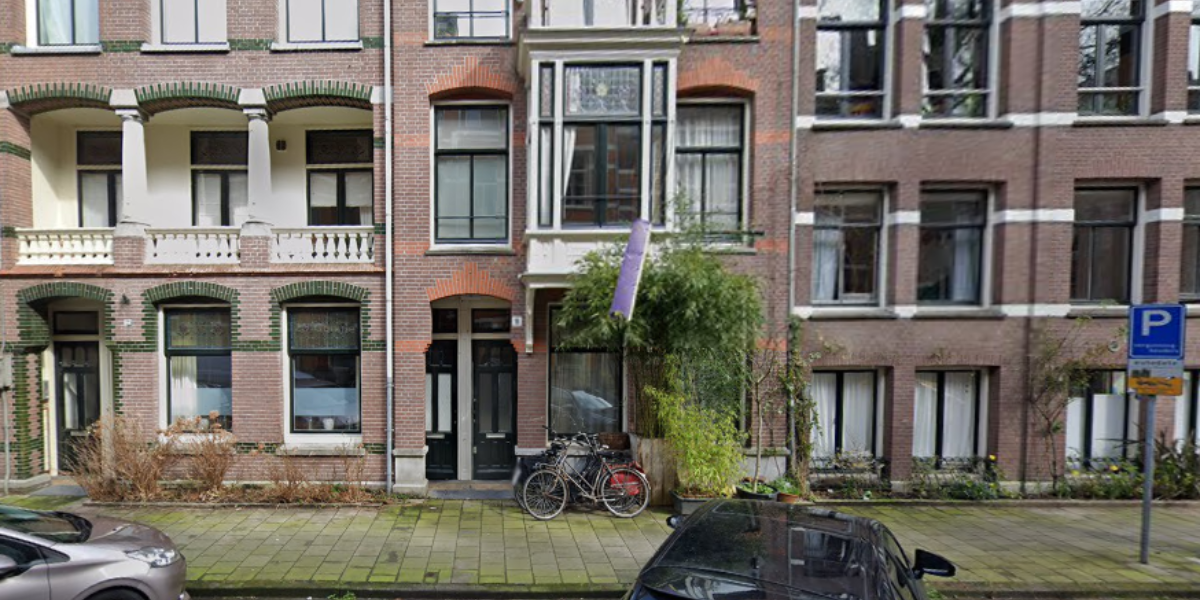
As detailed in reports covering the incident, the location of the unrest centered primarily around Sneeuwbalstraat. As darkness fell, the situation deteriorated rapidly into hostility. Individuals in the crowd began throwing glass bottles and stones directly at responding police officers, prompting commanders on site to call in heavily armed riot police units. During the ensuing tactical operation, law enforcement officers apprehended two suspects: a 39-year-old adult male arrested for throwing fireworks at emergency responders, and a 14-year-old juvenile taken into custody on charges of public violence.
Why Are Local Residents Protesting Against Mayor Femke Halsema?
According to reporting on municipal communications, the primary catalyst behind the persistent public disturbances was a official letter issued by Mayor Femke Halsema. In the letter, Mayor Halsema formally denied a petition submitted by Floradorp residents seeking permission to hold a scaled-down alternative to their traditional New Year’s Eve bonfire.
After the municipality prohibited the longstanding traditional street bonfire last year due to safety hazards, neighborhood organisers proposed utilizing a controlled, smaller fire contained inside an open metal container for the upcoming holiday. However, the local fire department conducted a risk assessment and deemed even a contained open-air fire excessively dangerous for the tightly packed residential area. Mayor Halsema officially adopted the fire department’s technical recommendation, strictly forbidding any form of open burning in the district.
How Have Authorities and Dutch Courts Responded to Recent Incidents?
As reported by Dutch public broadcaster NOS, Monday’s violent confrontation represents the continuation of a week-long wave of civil disobedience involving repeated acts of arson and firework deployment across the district. Multiple individuals have been taken into police custody during successive operations.
Regarding judicial proceedings, NOS detailed that an Amsterdam district court sentenced a 22-year-old male resident to 40 hours of community service on Saturday. The court found him guilty of criminal acts including throwing another resident’s garden table onto an open street fire. Additionally, judicial authorities referred two underage youths involved in earlier disruptions to Halt, a specialized Dutch state intervention program designed to handle juvenile delinquency and offer alternative diversion sentences.
Background of the Particular Development
The tradition of building a massive street bonfire in Floradorp dates back more than seven decades, serving as a deep-seated cultural focal point for generations of local residents during the turn of the year. For 73 consecutive years, community members gathered timber, pallets, and materials to construct a central fire to celebrate New Year’s Eve.
However, the municipal government enacted a complete ban on the tradition in spring 2025, citing major public safety risks, environmental degradation, and the severe burden placed on emergency first responders. The initial ban triggered immediate backlash and widespread rioting throughout the narrow streets of Floradorp during late December 2025 and on New Year’s Eve. During those historic clashes, riot police were repeatedly deployed as individuals targeted emergency personnel with heavy-duty pyrotechnics and destroyed local infrastructure, including blowing up police surveillance cameras. The refusal of municipal leaders to approve a compromise container fire for 2026 has reignited these longstanding tensions between the working-class community and city officials.
Prediction: How Will This Development Affect the Local Residents and Municipal Authorities?
The firm rejection of the compromise proposal by Mayor Femke Halsema is likely to deepen the rift between the Floradorp community and municipal leadership in the weeks leading up to New Year’s Eve. For local residents, the absolute enforcement of the ban threatens a neighborhood identity maintained for over 70 years, likely increasing feelings of marginalisation and distrust toward city hall. This escalation suggests that unrest may persist intermittently through December, potentially resulting in further judicial action, property damage, and heightened juvenile justice interventions.
For municipal authorities and emergency service personnel, the continued hostility will necessitate sustained security deployments and increased policing budgets in Amsterdam-North. Law enforcement will likely maintain a high-visibility presence and deploy tactical riot units preventative measures in Sneeuwbalstraat. Concurrently, the municipal council may face growing pressure to balance strict fire safety enforcement with social dialogue initiatives to prevent annual holiday riots from becoming an entrenched norm in the district.